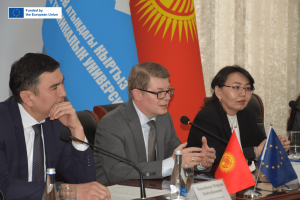
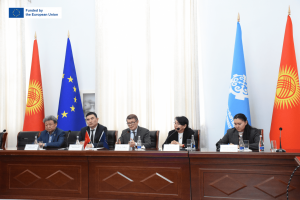
On 16 April 2026, Kyrgyz State Technical University hosted a distinguished visit of the European Union Delegation to the Kyrgyz Republic, organized jointly with the National Erasmus+ Office in Kyrgyzstan. The visit brought together university leadership, academic staff, students, and representatives of ongoing EU-supported initiatives, creating a dynamic platform for exchange, cooperation, and inspiration.
A central highlight of the visit was the showcase of Erasmus+ Capacity Building in Higher Education (CBHE) projects, presented through a dedicated exhibition of roll-ups and visual materials. The exhibition offered a comprehensive overview of EU-funded initiatives successfully implemented at KSTU, demonstrating tangible outcomes, innovative approaches, and long-term impact on institutional development. Project coordinators presented key achievements, focusing on sustainability, modernization of curricula, and the strengthening of research and laboratory infrastructure. The exhibition not only reflected the diversity of Erasmus+ projects but also illustrated their contribution to aligning Kyrgyz higher education with international standards.
The delegation also toured several laboratories and research centres established within Erasmus+ projects, including the GreenKG Centre and DEFA Laboratory. These visits provided insight into how EU support has enhanced the university’s technical capacities and created modern learning environments for students and researchers.
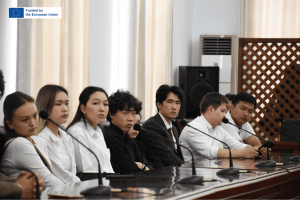
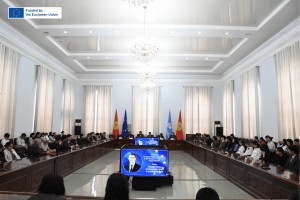
Another key moment of the programme was the guest lecture delivered by Ambassador of the European Union to the Kyrgyz Republic on the topic “European Union’s policy in Central Asia.” The lecture gathered students and academic staff from relevant faculties and offered a timely and engaging perspective on the EU’s role in a rapidly changing global context. Ambassador Duflot addressed current geopolitical challenges, the EU’s strategic priorities in Central Asia, and the importance of regional cooperation, education, and innovation.
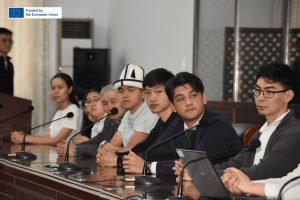
The interactive Q&A session that followed allowed students to engage directly with the Ambassador, raising thoughtful questions on international relations, mobility opportunities, and future prospects for cooperation. The discussion highlighted the strong interest of young people in global issues and reaffirmed the value of such direct exchanges with high-level representatives.
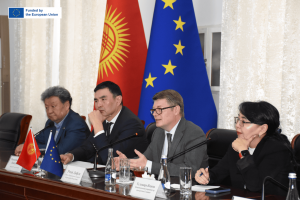
The visit concluded with a meeting with KSTU management, where participants continued discussions on Erasmus+ cooperation, academic mobility, joint research initiatives, and the development of institutional partnerships.
This visit once again underlined the significant role of Erasmus+ in fostering international collaboration and supporting the modernization of higher education in Kyrgyzstan, while strengthening ties between Kyrgyz universities and European institutions.